Commercial Flood Damage Cleanup in Spiceland, IN
Power status confirmed before entry, then floodwater out and the structure dried across your Spiceland commercial property.
Spiceland Water Restoration is the Spiceland call for Commercial Flood Damage Cleanup: emergency crews around the clock, moisture readings instead of guesswork, and insurance files built properly. Call (463) 241-6041.
- Service: Commercial Flood Damage Cleanup for Spiceland homeowners
- Service area: Spiceland, IN and surrounding areas
- Response time: Emergency water calls in Spiceland get crews rolling, not callbacks
- Licensed and insured (License #RC21100059)
- Serving Spiceland, IN since 2018
Commercial Flood Cleanup in Spiceland
We'll pump out and dry commercial buildings in Spiceland after floodwater gets inside.
Flood Exposure Here
Slow draining clay soil can hold floodwater against foundations and lower levels. Your building's own flood exposure gets mapped when we walk the site with your facilities contact.
Our flood crews work commercial sites throughout Spiceland, including the blocks around Tri Junior-Senior High School and Spiceland Town Hall. We also handle commercial flood cleanup in Lewisville, Greenfield, Carthage and Knightstown.
Commercial Flood Damage Cleanup for Spiceland Businesses
Before anyone walks a flooded building to take pictures, somebody has to know what's still energized. Panel rooms and motor control centers often sit on the lowest level, right where the water went. Spiceland Water Restoration starts every commercial flood job in Spiceland with that question and waits for your electrician or the utility to confirm the power status before the crew steps in.
Concrete decides when a commercial flood job is finished. Spiceland Water Restoration reads the slab in your Spiceland building with in situ relative humidity probes and holds new flooring until the readings meet the flooring manufacturer's limit. That protects the new floor, since adhesive over a wet slab fails later, and the readings go in your file for the warranty.
The lead walks the perimeter of your Spiceland building and the dry side of the interior before anyone steps into standing water. The walk looks for sagging ceilings, shifted doors and walls, debris floating against exits, and any panel or cord near the water. Conditions get photographed as found, and the crew picks an entry route that avoids whatever the walk turned up.
The final drying report at close is the document that says the structure met dry standard. It carries the final readings by location and material, the dry standard they were measured against, the equipment log showing what ran and for how long, and the dates each zone was released. That page closes out the drying record, and it's also what protects you if a moisture question comes up later.
If there's standing water in your building right now, call Spiceland Water Restoration. A commercial crew dispatches to Spiceland, IN, day or night, with pumps sized to the volume on the floor. The documentation file starts with the first reading the crew takes.
Signs You Need Commercial Flood Damage Cleanup
If you notice any of these in your Spiceland building, schedule a free inspection before the issue worsens.
VCT or sheet vinyl lifting at the seams, with adhesive bleeding through or going soft underfoot
Carpet squishing underfoot in an entry lobby after a heavy rain
A damp dark band across the concrete slab that spreads overnight and shrinks during the day
Visible water or damp conduit inside an electrical room, or a panel with moisture at the base
White powdery efflorescence appearing on block or poured concrete walls on a below grade level
Mechanical room under water, with floodwater around the boiler or the air handler
Beads of moisture under plastic sheeting or mats taped to a concrete floor for a day or two
Swollen particleboard casework or a reception desk with a soft base after the water dropped
Brown waterline marks across the walls of a lower level at the same height in every room
Floor drains backing up or holding water long after the last discharge into them
How Spiceland Water Restoration Handles Commercial Flood Damage Cleanup
We follow these steps in order on every Spiceland job.
Waterline and Condition Photos
Before anything moves, the crew photographs the building as the water left it. Waterline marks get measured at several points in each room, with depths and heights logged beside the photos.
Source and Contamination Check
The crew records where the water came from and what it crossed, and photographs the entry point. Floodwater and sewer backups get containment with HEPA filtered negative air before anything else, and every load of soaked material that leaves gets documented.
Disposal Records
Every load that leaves the building gets a log entry with the date and the type of material. The disposal receipt and a photo of the load go in the same file, so the removal record matches what was hauled away.
HVAC Coordination
The crew works with building engineering to set the air handlers where they support drying and keep humid air out of unaffected areas. Ductwork and units that sat in water get flagged for your HVAC contractor to check before the system goes back into service.
Daily Documentation
Moisture readings, temperature and humidity logs, equipment counts by room, and photographs get recorded every day equipment runs. Affected materials get compared against dry standard readings taken elsewhere in the same building, so the file shows a drying trajectory an adjuster can follow.
Commercial Flood Damage Cleanup in Spiceland
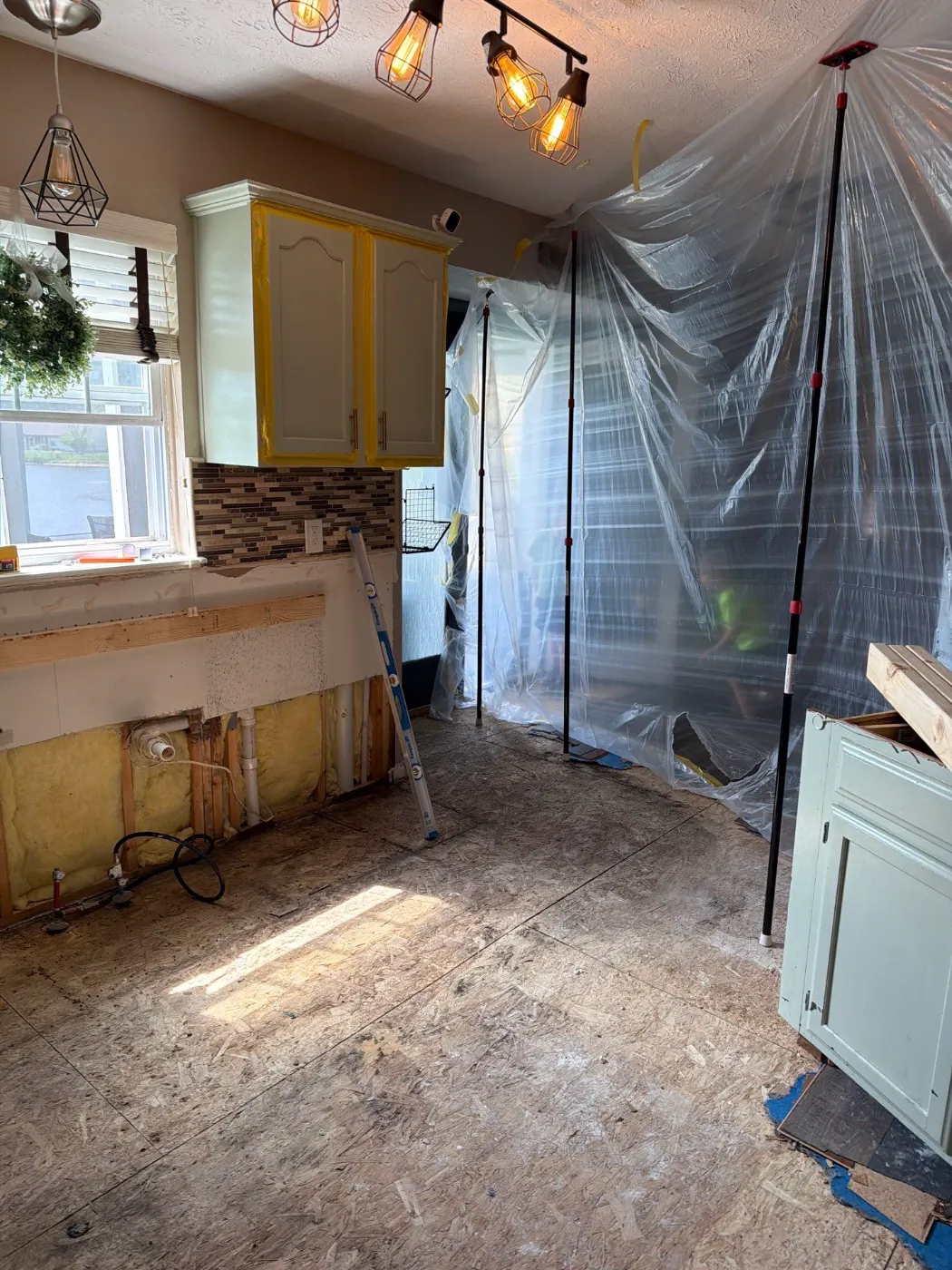
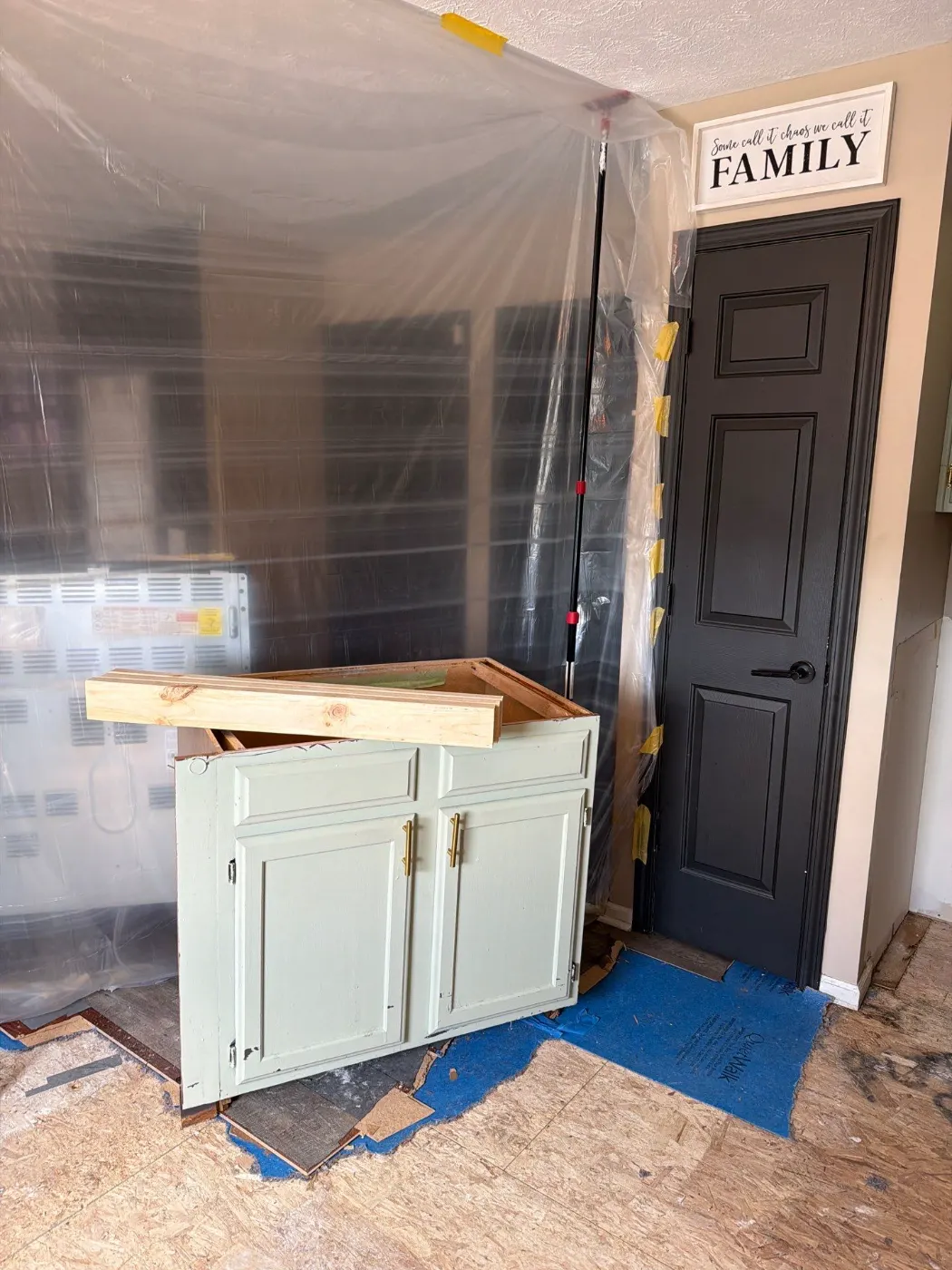
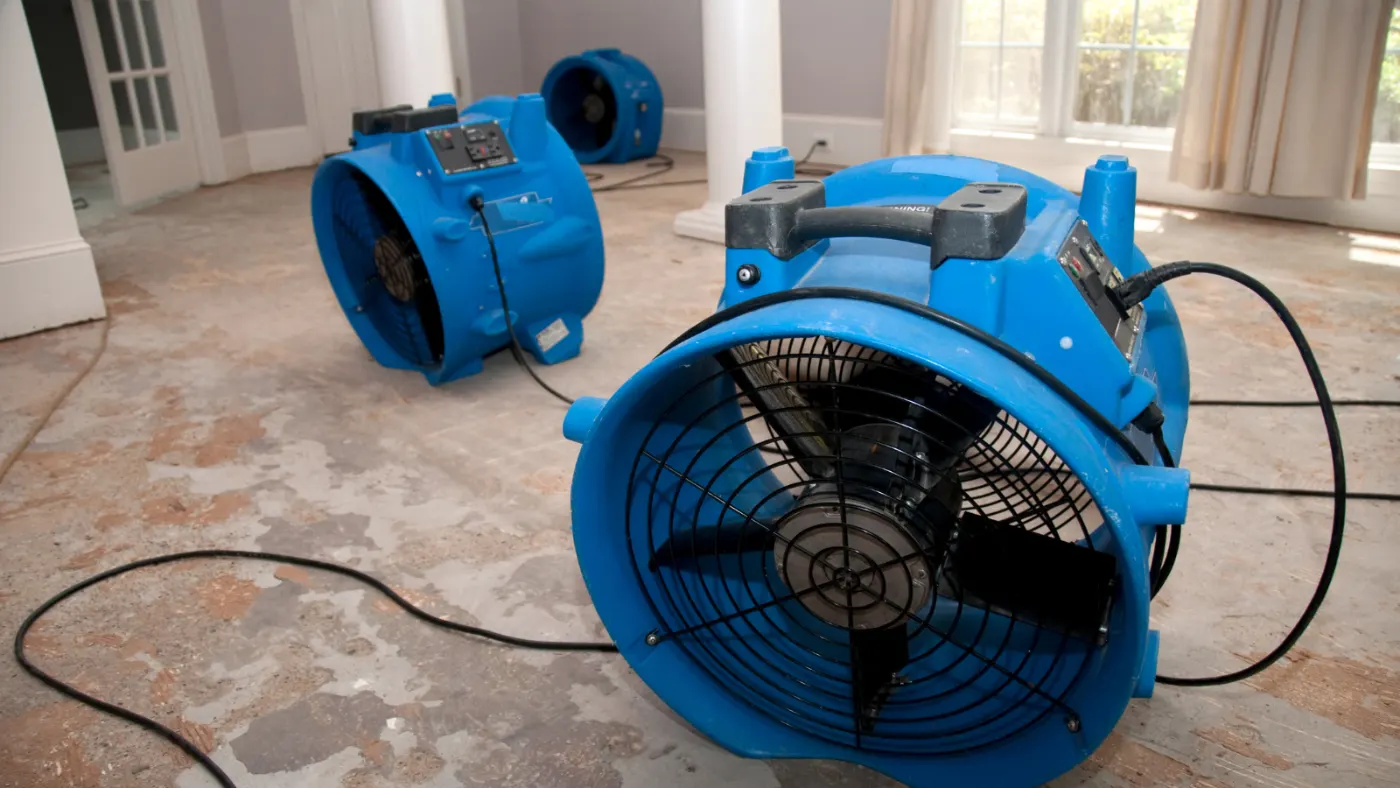
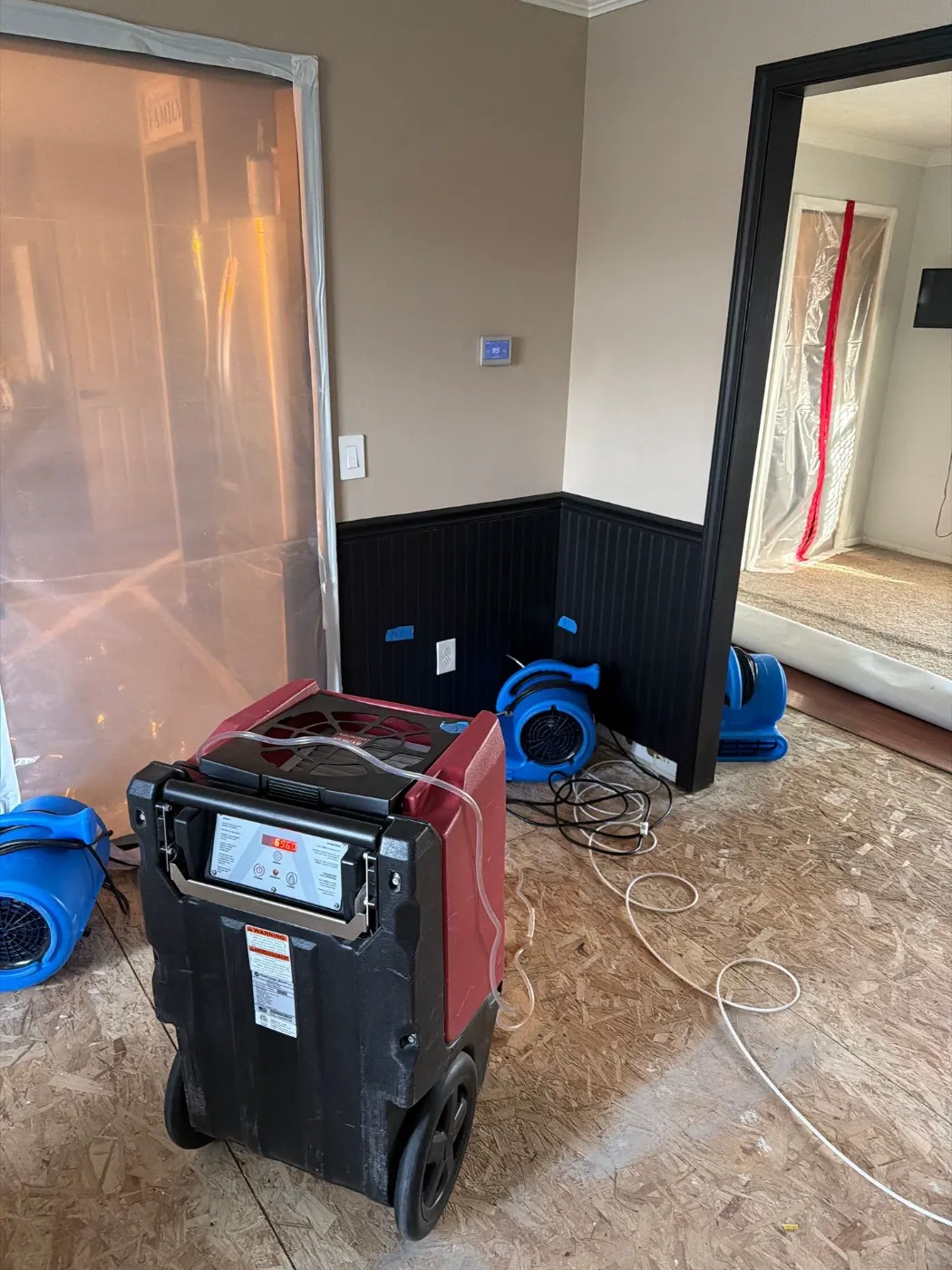
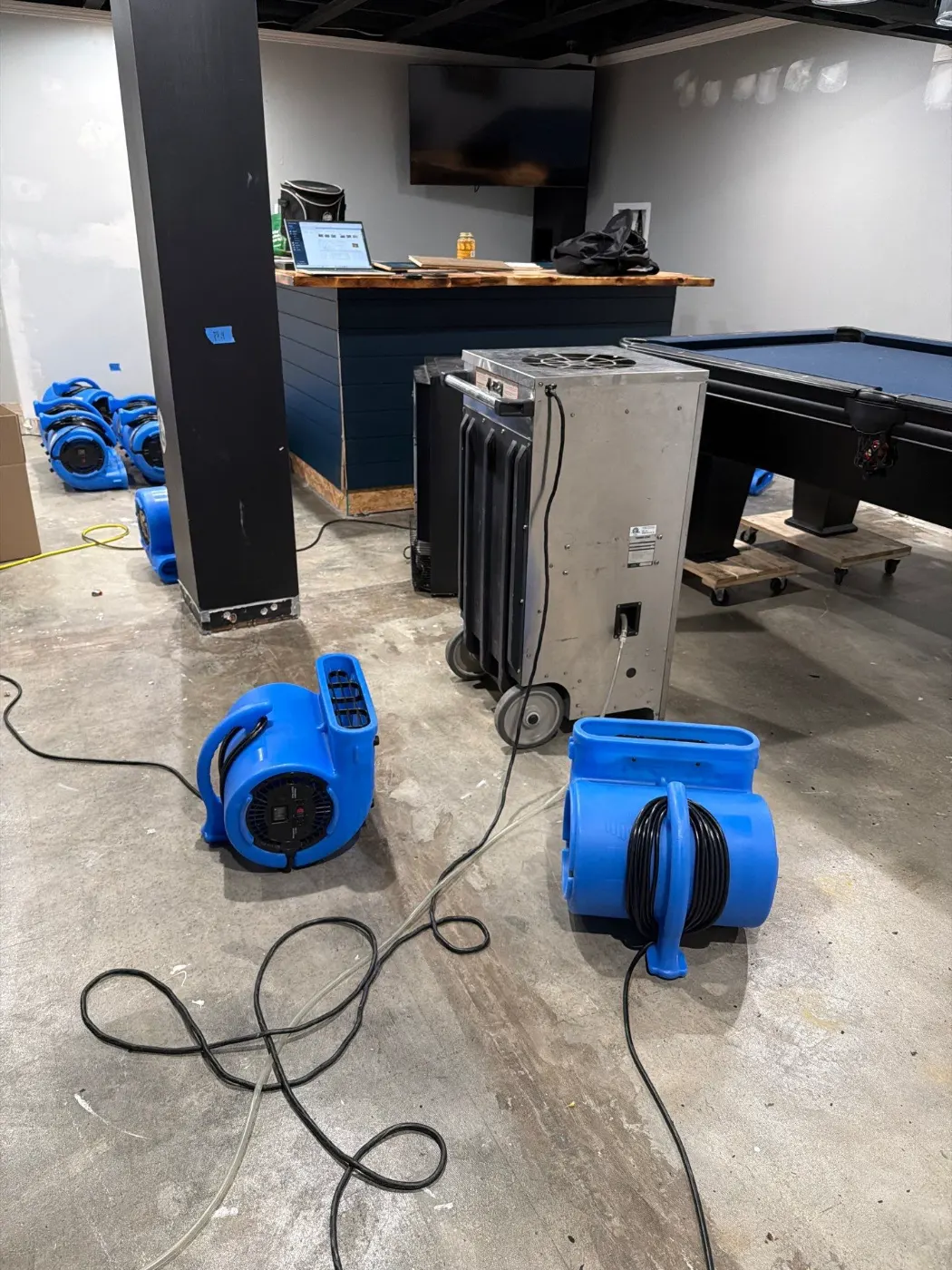
Photographs from real commercial flood damage cleanup jobs completed by our crew in Spiceland and surrounding areas.
Commercial Flood Damage Cleanup FAQ
Questions Spiceland property managers ask us about commercial flood damage cleanup.
Guidance and Standards for Commercial Flood Damage Cleanup
- The ANSI/IICRC S500 is the published standard for professional water damage restoration. The current edition is the Fifth Edition, 2021. IICRC S500 Standard
- EPA advises drying water damaged areas and items within 24 to 48 hours to prevent mold growth. EPA: A Brief Guide to Mold, Moisture and Your Home
Spiceland Neighborhoods We Serve
We take commercial flood damage cleanup calls in every part of Spiceland. Pick your neighborhood for local details.
Other Restoration Services in Spiceland
Spiceland Water Restoration handles the full scope of restoration work. Explore our other services below.
Water Damage Restoration in Spiceland
24/7 emergency response. IICRC certified water restoration from extraction to full dry out.
Learn more →Basement Flooding in Spiceland
Basement water emergencies handled fast. Extraction, drying, mold prevention.
Learn more →Sewage Cleanup in Spiceland
Category 3 biohazard cleanup. Full containment, decontamination, structural restoration.
Learn more →Request Commercial Flood Damage Cleanup
Reach Us Directly
Our team is available 24/7 for emergencies and ready to schedule inspections during business hours.
Need Immediate Help?
For active water or mold emergencies, call us directly. We are available 24/7.